Blog · Real estate resources
Selling a home that needs major repairs in Maryland
By Susan Robertson 3 min read
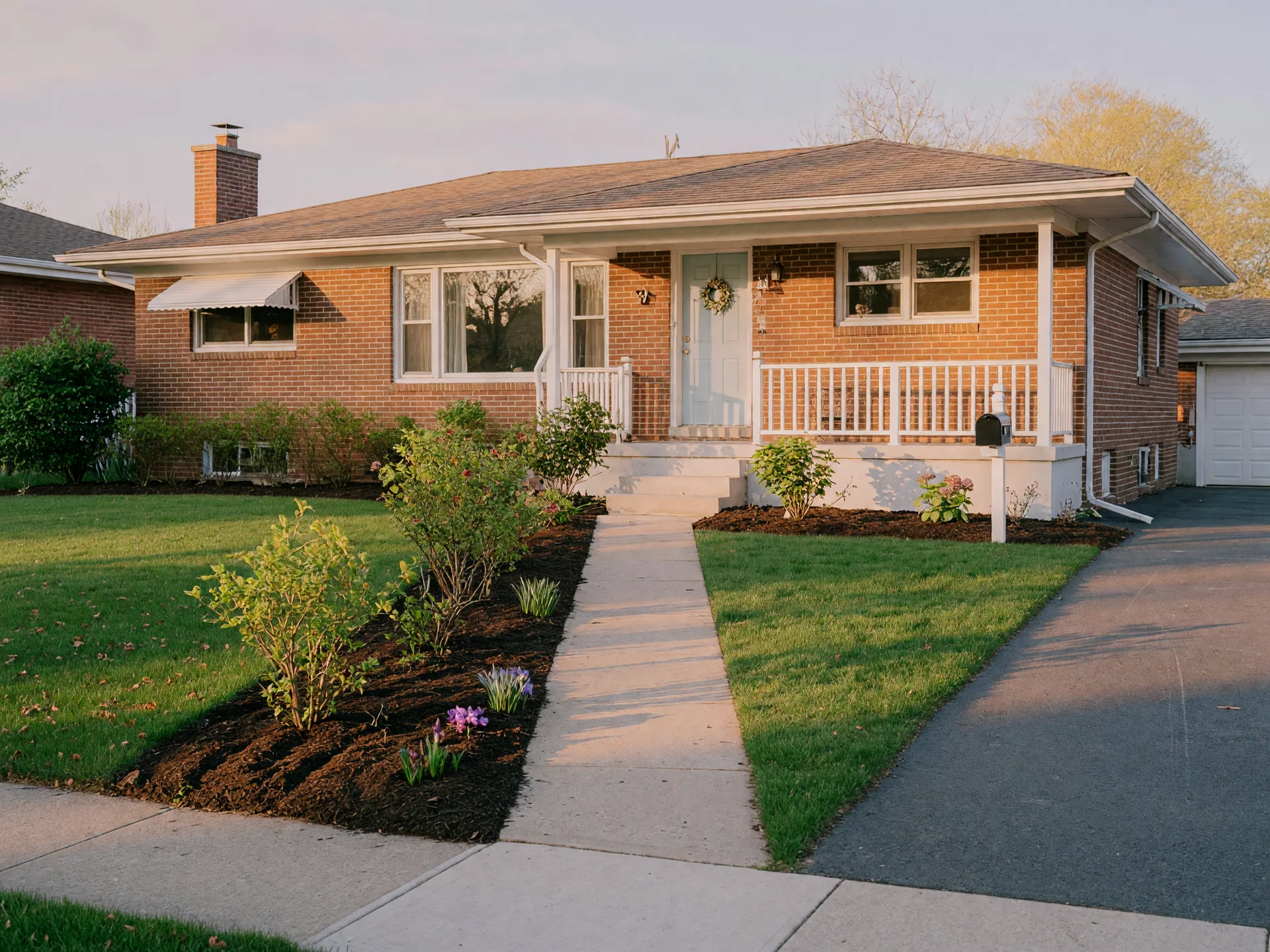
Homes that need significant work account for a surprising number of the properties I see, and the owners are usually the same in one way: they assumed the home was a problem with no good answer. It isn't. A property with major repair needs has three realistic paths, and the right one depends on the numbers.
Start with the truth about condition
Before choosing a path, know what you're dealing with. A licensed inspector or a contractor's walkthrough can give you a realistic repair list and rough cost range. You don't need to fix everything to sell, but you do need to understand what a buyer will see and how they'll price it. Ignoring deferred maintenance doesn't make it disappear; it just moves the discount into your offer.
Path one: invest, then list traditionally
If the home has strong bones and you have the cash, targeted repairs and updates can raise the value more than they cost. This works best when the needed work is visible and buyer-facing: kitchens, baths, flooring, paint, and curb appeal. A brand-new roof or HVAC won't usually add dollar-for-dollar value, but it makes the home financeable and removes the biggest bargaining chip buyers use.
Path two: sell as-is to an investor
An as-is cash sale is the fastest and least stressful option for a home with major needs. Investors buy the repairs as part of the deal: they'll price the property based on its current condition, the cost of work, and what the finished home is worth. You avoid prep, showings, and contingency headaches, and close on your timeline. The trade-off is a price below a fully repaired retail sale, and that gap is the real cost of convenience.
Path three: renovate now, pay at closing
For properties where the numbers work, a renovation strategy can offer the best of both: the home gets updated first, sells at a higher price, and the renovation costs are settled as part of the sale rather than paid out of pocket upfront. This fits homes with good bones in solid neighborhoods that simply need work, and it only moves forward if the value added clearly exceeds the cost.
Mistakes to avoid
Don't over-improve a home that will sell for less than your investment; don't skip getting a repair estimate because you're afraid of the number; and don't let a property sit vacant or deteriorating while you avoid the decision, because carrying costs and condition get worse together. Whatever the path, action beats waiting.
Get a clear comparison for your specific home
I'll walk the property, get you an honest repair picture, and lay out what each path means in dollars and time for your situation, without pushing you toward any one of them. If you're ready to see your options, that's exactly the right starting point.
Your situation is different
Want the same honesty applied to your home?
These guides are general by design. Your property, your finances, and your goals are specific, and that's where a real conversation helps. Reach out and I'll map your options, no pressure.